
EKG: E-Z Steps in Interpretation
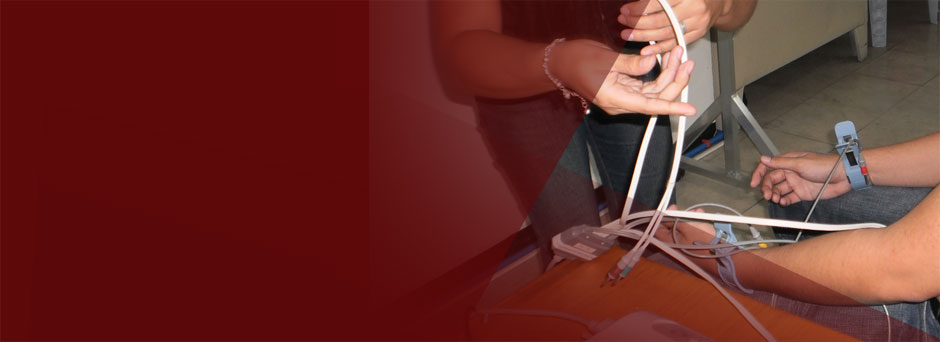
Course Description: This is a three-day course that will provide novice nurses with a step-by-step approach to rhythm and conduction analysis and interpretation. It will use methodology that will enhance the comprehension skill of the participants preparing them to appreciate the graphic interpretation and comprehension of EKG lines and waves. Specific Objectives: After the course, […]
Arterial Blood Gas Interpretation
This is an eight-hour program that will provide the nurses with fundamental concepts in Arterial Blood Gas analysis that can be used to evaluate gas exchange in the lungs. Principles focusing on the assessment of the integrity of the ventilatory control system will be discussed to determine the acid-base level of the blood. Likewise, the […]
Care of Patients with Central Line
This four-hour program entitled “Care of the Patient with Central Lines” will provide the nurse the advanced clinical concepts and practices in the area of advanced intravenous therapy. It will be presented the comparison of different major types of central venous catheters (CVCs) to aid the nurses in analyzing and evaluating the salient features, risks […]
Care of Patients with Mechanical Ventilation
This is an eight hour course update is designed to provide the participants with the basic concepts relevant to the care of the patients on a mechanical ventilator. Evidence on the nursing care of these mechanically ventilated patients will be discussed with focus on patient safety, patient comfort and pain management and sedation. After the […]
Comprehensive Neurological Assessment
This eight- hour program is designed to provide nurses with concepts relevant to performing a comprehensive neurological assessment in any given setting and in their care of any type of patient. Neurologic assessment will not just take place in neurological units and the Emergency Department. Likewise, a patient who doesn’t have a neurologic diagnosis may […]
Hemodynamic Monitoring
This eight-hour course on Hemodynamic Monitoring will review the methods and measurement of hemodynamic parameters such as CVP measurement, mean arterial pressure, cardiac output and intra-cardiac pressures that are important to the care and treatment of critically ill patients. Nurses are responsible for the collection, measurement and interpretation of these dynamic patient status parameters. The […]
Improving Nursing Documentation
Documentation might seem less critical than other more client-centered tasks, yet, it plays a significant role in everything from planning the best care to preventing negligence in practice. Through this eight-hour program, the nurse will be able to learn skills that will demonstrate clear writing, critical thinking and objective communication that will reflect salient health […]
Nutritional Support of the Critically Ill Patient
Nurses who are working in the critical care areas are important in this supportive therapy because they administer nutritional formulas to critically ill patients. A number of clinical trials indicated the benefits of providing nutrition support, particularly enteral feedings, to critically ill patients. Important outcomes such as rates of infection, lengths of stay, and costs […]
Safe Medication Administration – High Alert Medication (HAM)
Patient safety is of primary importance within health-systems; however, medication errors continue to occur at an alarming rate. Regulatory and accrediting organizations have developed standards addressing medication safety; yet, additional focus should be achieved to minimize if not prevent errors. This is a four-hour program that will provide nurses with an overview of strategies and […]
NURSING SKILLS FAIR 1
Nursing procedures are constantly changing this is due to never ending discoveries in best-practice health care methods. As nurses we want to ensure that our knowledge and skills in nursing procedures are always updated. We can read a lot of them and have the knowledge but it is different if we have developed a certain […]